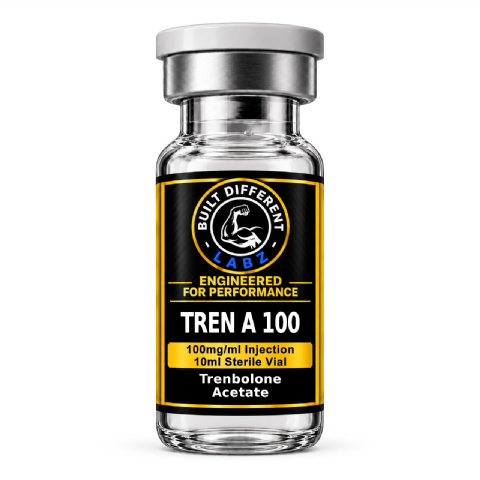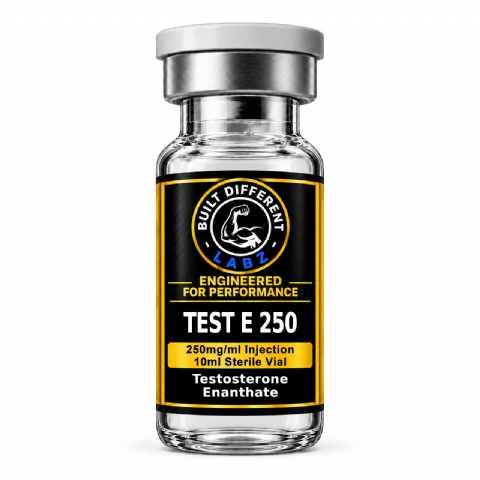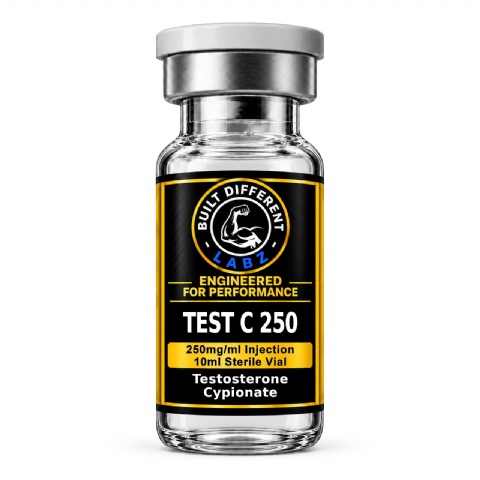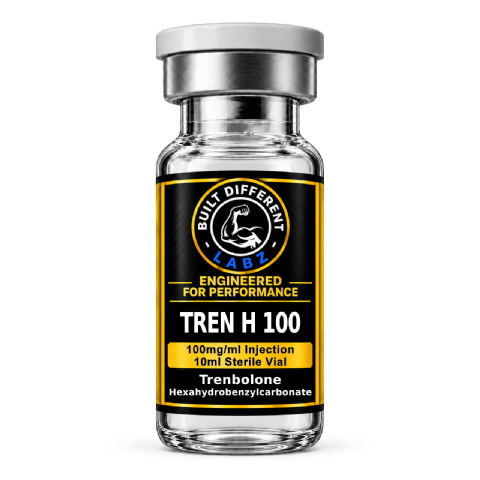
We offer FREE SHIPPPING on all orders!
We offer FREE SHIPPPING on all orders!
| THIS PRODUCT IS INTENDED AS A RESEARCH CHEMICAL ONLY. This designation allows the use of research chemicals strictly for invitro testing and laboratory experimentation only. All product information available on this website is for educational purposes only. Bodily introduction of any kind into humans or animals is strictly prohibited by law. This product should only be handled by licensed, qualified professionals. This product is not a drug, food, or cosmetic and may not be misbranded, misused or mislabeled as a drug, food, or cosmetic. |
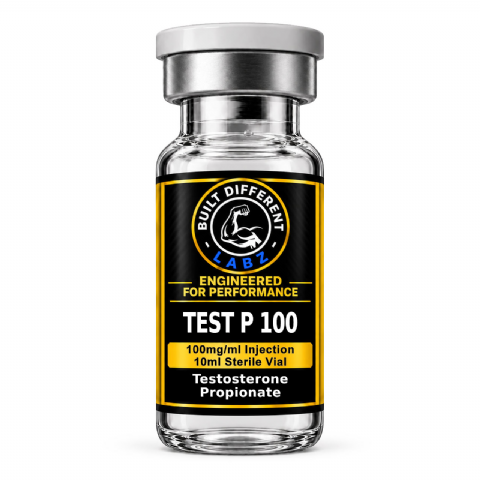
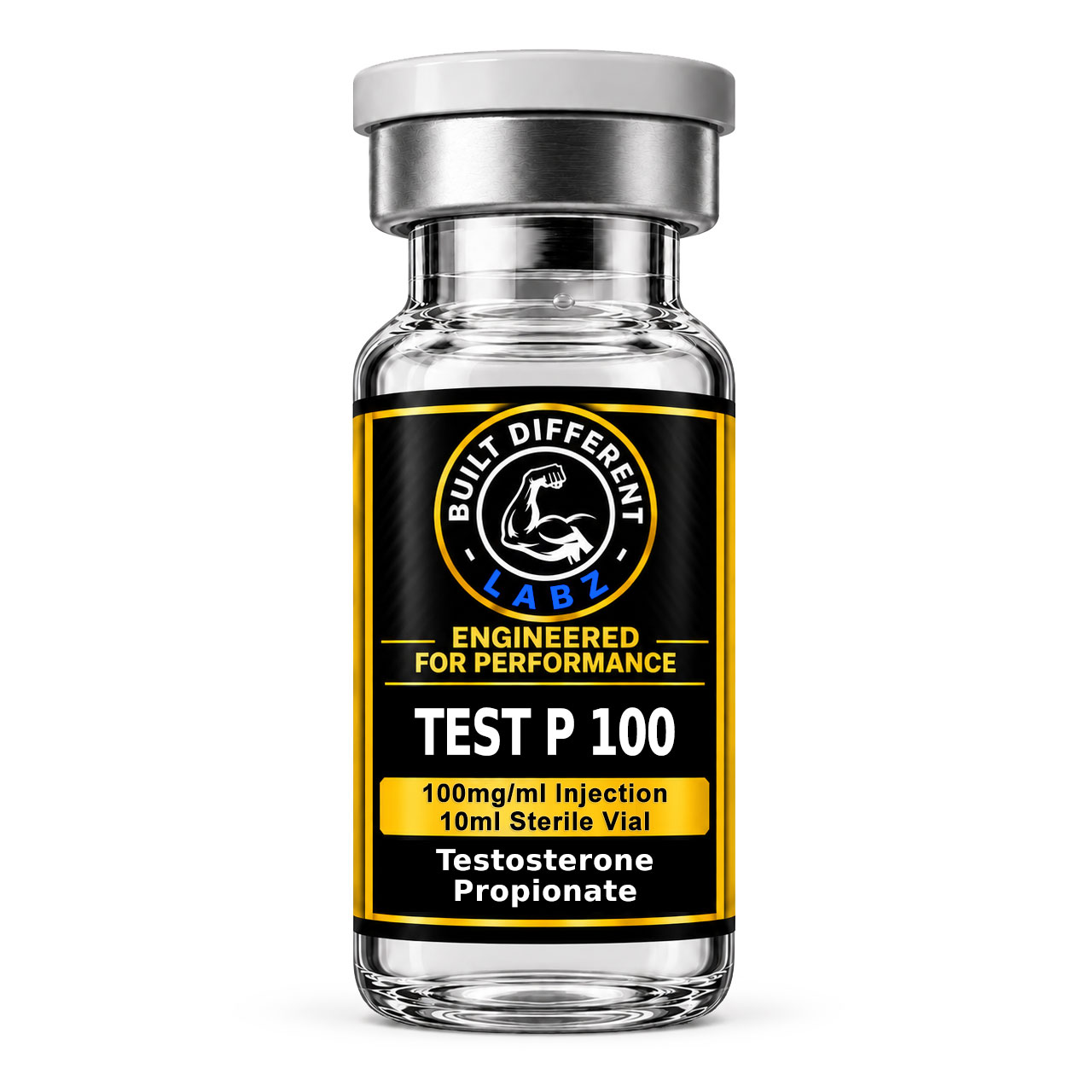
Testosterone Propionate 100 is an injectable testosterone preparation commonly formulated to contain 100 mg of testosterone propionate per milliliter. Unlike longer-acting testosterone esters such as testosterone cypionate and testosterone enanthate, testosterone propionate uses a relatively short ester. This produces a faster release and shorter duration of action following injection.
Testosterone propionate consists of the natural androgen testosterone attached to a propionate ester. The propionate ester primarily changes the pharmacokinetics of testosterone-it does not create a fundamentally different active hormone.
After administration, testosterone propionate is released from the injection site and the propionate ester is enzymatically removed. The resulting testosterone is biologically active and interacts with androgen receptors throughout the body.
Because propionate is a comparatively small ester, testosterone propionate contains a relatively high proportion of testosterone by molecular weight and is released more rapidly than longer esters.
A concentration of:
Testosterone Propionate: 100 mg/mL
means each milliliter of solution contains 100 mg of testosterone propionate.
The entire 100 mg is not free testosterone because some of the molecular weight comes from the propionate ester.
Testosterone propionate is approximately 84% testosterone by molecular weight. Therefore, 100 mg of testosterone propionate represents roughly 84 mg of testosterone, with the remainder accounting for the ester.
This is a higher testosterone-to-ester ratio than testosterone enanthate or cypionate.
The defining characteristic of testosterone propionate is its relatively short duration of action.
The smaller ester allows testosterone to become available more rapidly after administration. Blood concentrations consequently rise and decline more quickly than with testosterone enanthate or cypionate.
This shorter pharmacokinetic profile distinguishes propionate from the longer testosterone esters even though all ultimately deliver the same active testosterone molecule.
It also means that milligram-for-milligram comparisons between different testosterone esters are not quite as straightforward as their vial labels might suggest.
After the propionate ester is removed, testosterone enters tissues and binds to androgen receptors.
Activation of these receptors influences gene transcription and numerous physiological processes involving skeletal muscle, bone, reproductive tissues, skin and the central nervous system.
Testosterone can also undergo two particularly important conversions.
Aromatase converts some testosterone into estradiol.
5-alpha-reductase converts some testosterone into dihydrotestosterone (DHT).
Therefore, testosterone propionate produces testosterone-related effects as well as effects resulting from its downstream metabolites.
Testosterone has substantial anabolic activity in skeletal muscle.
Androgen-receptor activation can increase muscle protein synthesis, nitrogen retention and the body's capacity to maintain or increase lean tissue. Testosterone can also contribute to improvements in strength and training adaptation.
These properties explain why testosterone and synthetic anabolic-androgenic steroids have been used outside medicine for physique and performance enhancement.
However, there is an important distinction between replacing deficient testosterone to physiological concentrations and deliberately producing supraphysiologic androgen exposure.
Greater exposure may increase anabolic effects, but it can simultaneously increase endocrine, hematologic, cardiovascular and reproductive risks.
The principal difference is the ester and resulting release profile.
Testosterone Propionate: Shorter acting, faster release, approximately 84% testosterone by molecular weight.
Testosterone Enanthate: Longer acting, slower release, approximately 72% testosterone by molecular weight.
Once their respective esters have been removed, however, both compounds provide the exact same active hormone: testosterone.
The ester primarily determines how the drug gets into circulation rather than changing what testosterone does once it reaches androgen receptors.
The same principle applies when comparing propionate with testosterone cypionate.
Cypionate contains a substantially larger ester and has a longer duration of action. Propionate has a smaller ester and produces a faster concentration-time profile.
Because the propionate ester contributes less molecular weight, 100 mg of testosterone propionate contains proportionally more actual testosterone than 100 mg of testosterone cypionate.
This does not automatically make propionate "stronger." It means equal labeled milligram amounts do not contain precisely equal quantities of testosterone and do not produce identical pharmacokinetic profiles.
Testosterone propionate aromatizes into estradiol.
Aromatization is a normal physiological process and occurs regardless of which testosterone ester originally delivered the testosterone.
Estradiol has important functions in men, including roles in bone health and sexual function. It is therefore incorrect to treat all estrogen production as inherently undesirable.
When androgen exposure becomes excessive, however, increased substrate for aromatase can result in greater estradiol production.
Potential estrogen-related effects can include breast tenderness, gynecomastia and fluid retention.
At the opposite extreme, excessive suppression of estradiol can also cause adverse effects. Estrogen management therefore should not simply mean attempting to drive estradiol as low as possible.
Testosterone can also be converted into dihydrotestosterone (DHT) through 5-alpha-reductase.
DHT has particularly strong androgenic activity in certain tissues.
Androgenic effects can include:
Genetic predisposition plays a substantial role in determining how noticeable these effects become.
Like other forms of exogenous testosterone, testosterone propionate suppresses the hypothalamic-pituitary-gonadal axis.
External testosterone creates negative feedback at the hypothalamus and pituitary. LH and FSH production can consequently decrease substantially.
Reduced LH signaling causes the testes to decrease endogenous testosterone production.
Therefore, testosterone propionate should not be viewed as simply adding extra testosterone while normal natural production continues unchanged.
Suppression of LH and FSH also affects fertility.
Sperm production requires appropriate gonadotropin signaling and high concentrations of testosterone within the testes. Exogenous testosterone can interfere substantially with this environment.
Possible consequences include:
Anyone concerned about current or future fertility should discuss that issue specifically with an appropriate medical specialist before beginning testosterone treatment.
Testosterone stimulates red blood cell production.
Consequently, testosterone treatment can increase hemoglobin and hematocrit.
An excessive hematocrit elevation can become clinically important and is one reason CBC testing is commonly incorporated into medical testosterone monitoring.
The fact that propionate is shorter acting does not eliminate this testosterone-related effect.
Potential cardiovascular concerns associated with testosterone exposure can include changes in blood pressure, fluid balance, hematocrit and cholesterol.
Risk depends heavily on factors such as the amount of testosterone exposure, resulting hormone concentrations, duration of use, age and existing cardiovascular risk factors.
Medically supervised testosterone replacement designed to restore physiological testosterone concentrations should also be distinguished from supraphysiologic anabolic-steroid use.
Safety evidence from one situation should not automatically be assumed to apply to the other.
One practical characteristic associated with testosterone propionate is that some individuals experience injection-site discomfort or irritation.
Reactions can include localized soreness, tenderness, redness or swelling.
The reaction can depend not only on testosterone propionate itself but also on the formulation, concentration, carrier oil, solvents and individual sensitivity.
Severe pain, progressive redness, warmth, significant swelling, fever or other signs suggesting infection require medical evaluation rather than being assumed to be normal post-injection discomfort.
Potential adverse effects associated with testosterone propionate include:
The likelihood and severity of these effects vary considerably between individuals.
When testosterone is prescribed medically, monitoring commonly involves clinical evaluation combined with laboratory testing.
Depending on the individual, testing can include total testosterone, free testosterone and/or SHBG when appropriate, CBC and hematocrit, blood pressure, and additional testing based on medical history and risk factors.
Prostate assessment may also be appropriate based on age and individual circumstances.
Laboratory results also need to be interpreted in relation to when the last injection occurred. This consideration is especially important with a shorter-acting preparation because concentrations can change relatively rapidly.
A label stating 100 mg/mL describes the concentration of the product.
It does not establish an appropriate individual dose or injection schedule.
The appropriate therapeutic regimen depends on factors such as diagnosis, baseline testosterone levels, treatment response, laboratory results, age, cardiovascular risk, fertility goals and other medical conditions.
Compound: Testosterone Propionate
Drug Class: Androgen / anabolic steroid
Active Hormone: Testosterone
Common Concentration: 100 mg/mL
Administration: Injectable
Ester: Propionate
Release Profile: Short acting
Approximate Testosterone Content: About 84 mg of testosterone per 100 mg testosterone propionate
Anabolic Activity: Yes
Androgenic Activity: Yes
Aromatizes to Estrogen: Yes
Converts to DHT: Yes
Suppresses Natural Testosterone: Yes
Can Suppress Fertility: Yes
Primary Medical Role: Testosterone replacement in appropriately diagnosed patients where a suitable testosterone formulation is indicated
Testosterone propionate is distinguished primarily by its short ester and relatively rapid release profile. Compared with testosterone enanthate and cypionate, it contains proportionally more testosterone per milligram of esterified compound and produces a faster rise and decline in testosterone exposure.
Once the propionate ester is removed, however, the active hormone is simply testosterone. Its fundamental anabolic, androgenic, estrogenic, reproductive and hematologic effects therefore remain those of testosterone.
The shorter ester changes how testosterone is delivered, not the underlying biology of the hormone. Like other testosterone preparations, its systemic effects make appropriate medical evaluation, laboratory testing and ongoing monitoring important when it is used therapeutically.
We do not accept returns or issue refunds for any reason, beside manufacturing defects.
Feel free to contact us if you have any questions or concerns about our Return Policy.